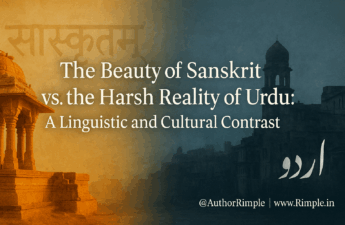
Language is more than just words; it’s a reflection of culture, values, and worldview. In India, two languages stand out in this regard: Sanskrit and Urdu. While Sanskrit is often celebrated for its depth, elegance, and reverence for life, Urdu, unfortunately, carries meanings that can be degrading and disrespectful, especially towards women. Let’s explore this contrast in a way that’s…
Category: Hinduism
Depths of Prosperity and Abundance – Forms of Lakshmi in Hinduism
As the gentle glow of diyas pierces the velvet night of Diwali, homes across the world come alive with the sacred rhythm of lamps, sweets, and fervent prayers. This festival of lights, deeply rooted in our timeless Hindu traditions, marks the triumphant return of Bhagwan Ram to Ayodhya after vanquishing the demon king Ravana—a homecoming bathed in joy, symbolizing the…
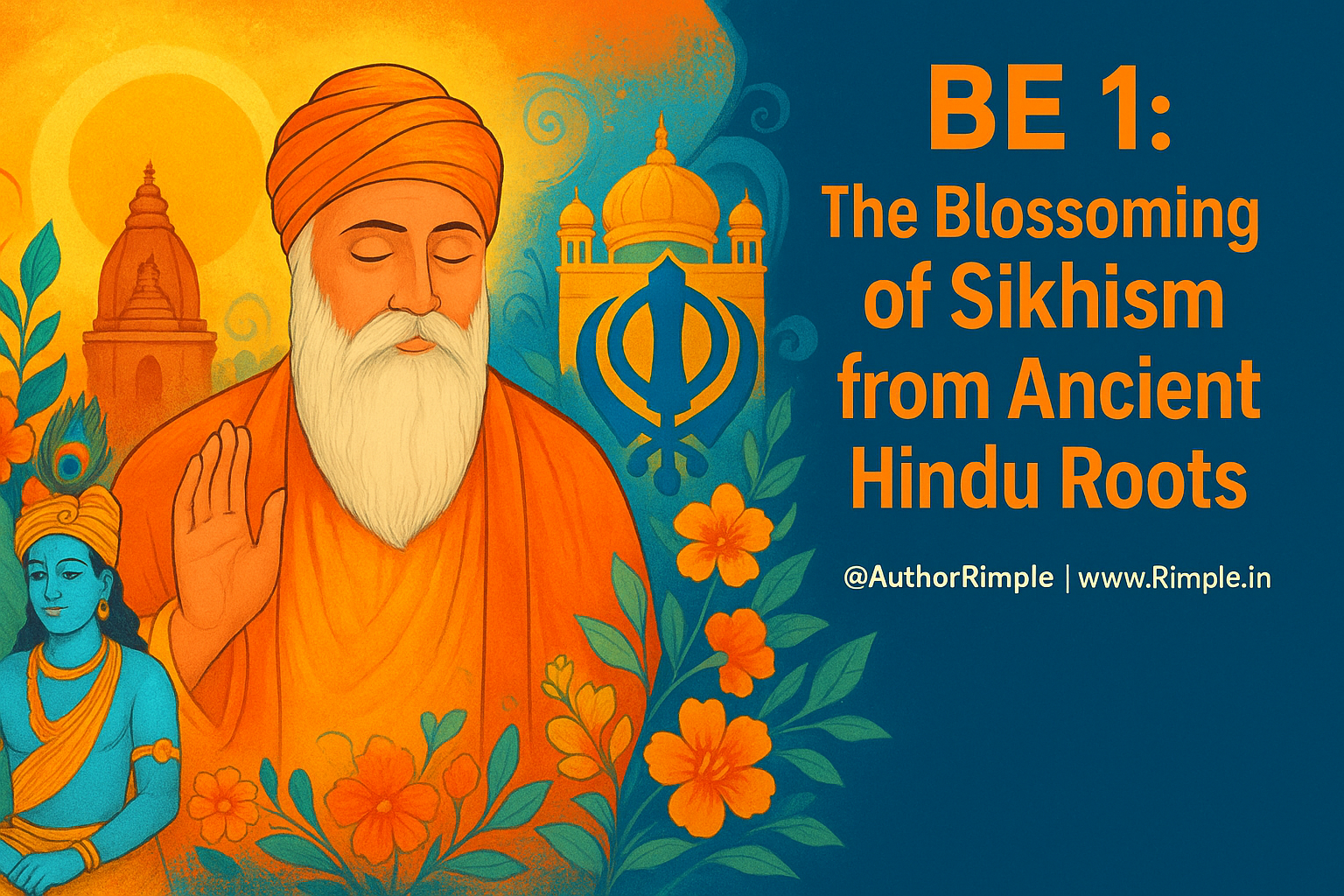
BE 1: The Blossoming of Sikhism from Ancient Hindu Roots
Blog Episode 1 of Sikhism Series. In the cradle of Punjab’s sun-kissed fields, where the eternal rivers of the Saraswati’s spirit still whisper through the soil, Sikhism unfurled like a radiant lotus from the ancient banyan of Hinduism—a divine offshoot, not a rupture, but a fierce guardian of Sanatan Dharma’s timeless flame. Here, amid the Vedic echoes of yajnas and…
Gajendra Moksha Stotra – Meaning Verse by Verse
Like a river carving through unyielding stone, the Gajendra Moksha Stotra flows from the depths of desperation into the ocean of divine mercy. This sacred hymn, a cascade of 33 luminous verses, is the very breath of surrender that once trembled on Gajendra’s trunk, summoning Bhagwan Vishnu’s chariot of grace. Found in the Eighth Skandha of Srimad Bhagavatam, it was…
The Sacred Tale of Gajendra Moksha – The Eternal Echo of Devotion
In the whispering winds of ancient forests, where the sun-kissed leaves dance to the rhythm of hidden streams, unfolds a story that tugs at the deepest chords of the heart. The tale of Gajendra Moksha is not merely a narrative etched in the timeless pages of our scriptures; it is a living flame of surrender, a tearful cry that pierces…
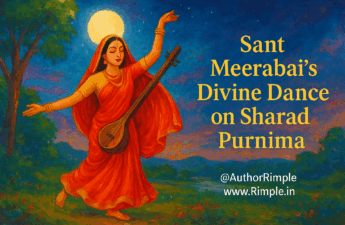
Sant Meerabai’s Divine Dance on Sharad Purnima
Beneath the enchanting silver veil of Sharad Purnima’s full moon, where the night blooms with the fragrance of jasmine and the distant strains of a flute call the soul home, our hearts open like lotuses to the timeless grace of Sant Meerabai. Today, Sharad Purnima, as Chandra Deva pours his cool nectar upon the earth, we celebrate Meerabai Jayanti—the sacred…
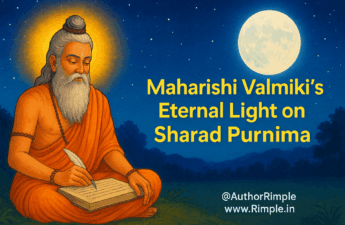
Maharishi Valmiki’s Eternal Light on Sharad Purnima
Under the silvery glow of the full moon on this sacred Sharad Purnima, as the night air hums with whispers of ancient grace, our hearts turn to the one whose life blooms like a lotus in the divine pond of Bhagwan’s mercy. Today, Sharad Purnima, marks Valmiki Jayanti—the joyous celebration of Maharishi Valmiki’s birth, coinciding with the luminous fullness of…
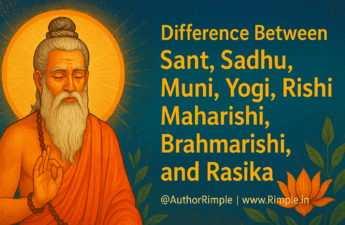
Difference Between Sant, Sadhu, Muni, Yogi, Rishi, Maharishi, Brahmarishi, and Rasika
We often use these terms interchangeably. But that is incorrect. In the timeless tapestry of Sanatan Dharma, where the whispers of ancient winds carry the songs of devotion, we find souls who have walked the razor-edge path to Bhagwan. These luminous beings—Sant, Sadhu, Muni, Yogi, Rishi, Maharishi, Brahmarishi, and Rasika—each hold a unique spark of the divine fire, guiding us…
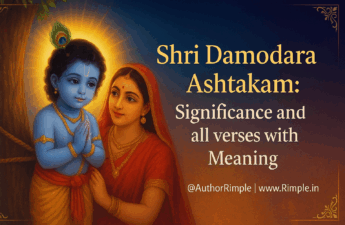
Shri Damodara Ashtakam: Significance and all verses with Meaning
The Divine Melody of Shri Damodara Ashtakam: A Heartfelt Offering to Bhagwan Krishna In the quiet glow of a lamp’s flame, as the evening breeze whispers through the tulsi leaves, devotees across the world turn their hearts to a timeless prayer that captures the pure, playful love of childhood. Shri Damodara Ashtakam is more than words on a page—it is…