Note: You can use your browser translate option to read this article in your preferred language. Imagine a time when Bihar, a state full of hardworking farmers and simple folks, was supposed to care for its animals. But instead, greedy leaders stole money meant for cow feed and medicines. This is the story of the Fodder Scam – a massive…

Author: RimpleSanchla
The Beauty of Sanskrit vs. the Harsh Reality of Urdu: A Linguistic and Cultural Contrast
Language is more than just words; it’s a reflection of culture, values, and worldview. In India, two languages stand out in this regard: Sanskrit and Urdu. While Sanskrit is often celebrated for its depth, elegance, and reverence for life, Urdu, unfortunately, carries meanings that can be degrading and disrespectful, especially towards women. Let’s explore this contrast in a way that’s…
Sheldon’s Laundry Night vs Rimple’s Music night
Rimple: “Sheldon, why do you insist Saturday night is laundry night?” Sheldon: “Because, Rimple, laundry night is a sacred ritual, precisely scheduled to optimize detergent efficacy and avoid the chaos of crowded laundromats!” Rimple: “Well, I say Saturday night is music night! You fold socks, I crank up the rock—my playlist has more harmony than your laundry schedule!” Sheldon: “Harmony?…
How Human Minds are Controlled – George Orwell’s 1984 in the present context
To understand this you must know about the book 1984. If you haven’t read this book, then first read this book summary and come back to this article. Don’t miss it. George Orwell’s 1984 warned us about a world where a shadowy force called Big Brother controls everything—your thoughts, your life, your truth. He wasn’t imagining some far-off future; he…
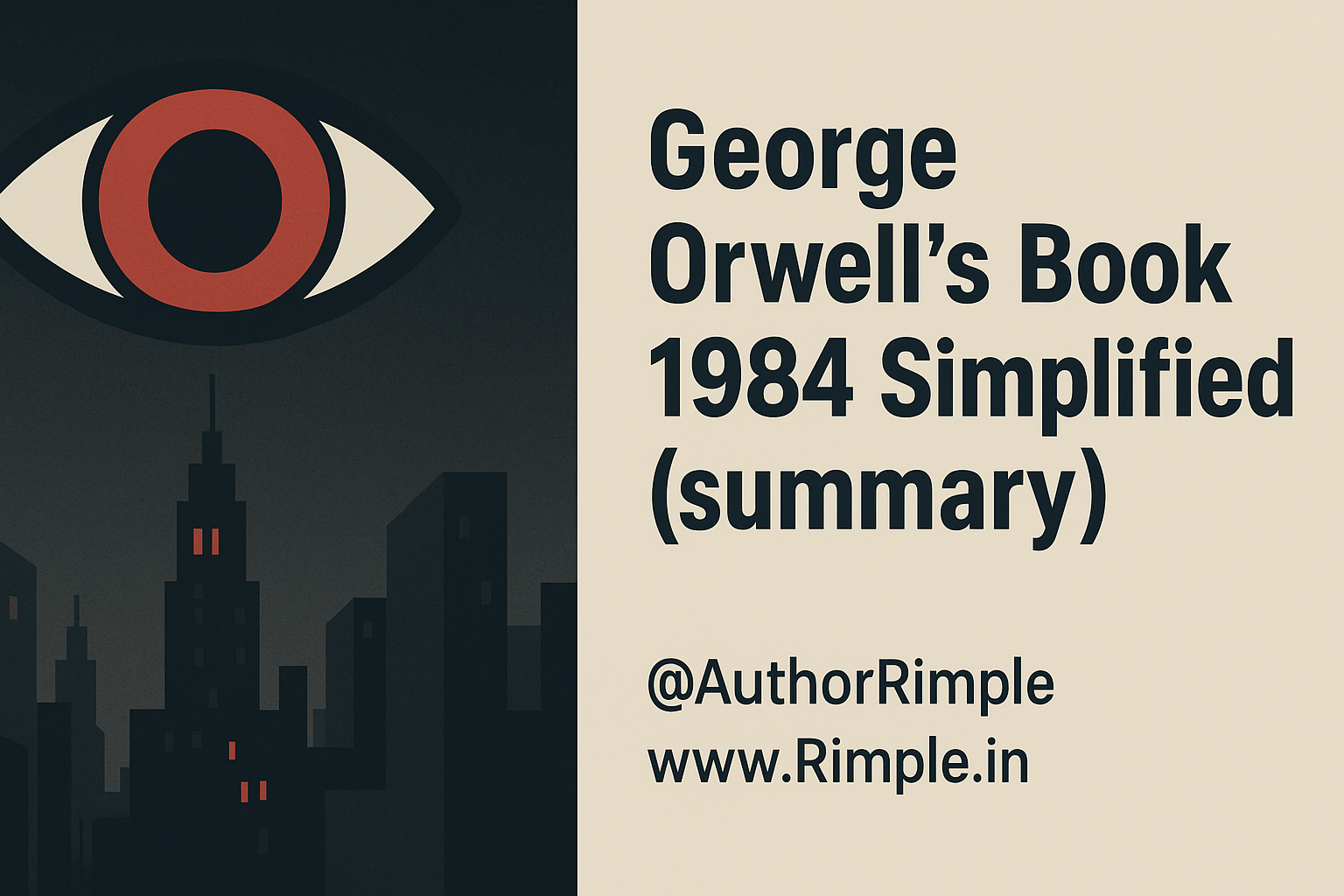
George Orwell’s Book 1984 Simplified (summary)
Background and Context of 1984 1984 is a dystopian novel written by George Orwell in 1949. A dystopia is a fictional world where everything is controlled, miserable, and oppressive, often showing what could happen if society goes wrong. Orwell wrote this book after World War II, when he saw how governments could use propaganda (spreading ideas to control what people…
BE 11: Ninth Guru – Guru Tegh Bahadur – The Shield of the Oppressed
In the holy city of Amritsar, near the shining waters of the Amrit Sarovar, a brave soul was born on April 1, 1621, under the soft light of the moon. This was Guru Tegh Bahadur Ji, the ninth Guru of Sikhism, the youngest son of Guru Hargobind (the sixth Guru) and Mata Nanaki. His father, Guru Hargobind, was a warrior-saint…
BE 10: Eighth Guru – Guru Har Krishan – The Child Saint’s Sacrifice
In the peaceful hills of Kiratpur Sahib, Punjab, a pure soul was born on July 7, 1656, under the gentle light of the moon. This was Guru Har Krishan Ji, the eighth Guru of Sikhism, the younger son of Guru Har Rai (the seventh Guru) and Mata Kishan Kaur (also called Mata Sulakhani). His father was a healer who loved…
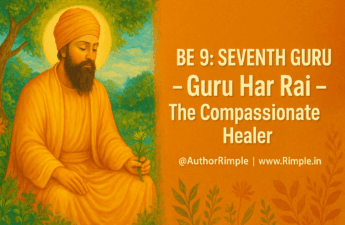
BE 9: Seventh Guru – Guru Har Rai – The Compassionate Healer
In the peaceful hills of Kiratpur Sahib in Punjab, a gentle soul full of kindness was born on January 16, 1630, to Baba Gurditta (the eldest son of Guru Hargobind, the sixth Guru) and Mata Nihal Kaur. This was Guru Har Rai Ji, the seventh Guru of Sikhism, the grandson of Guru Hargobind and Mata Damodari. His father, Baba Gurditta,…
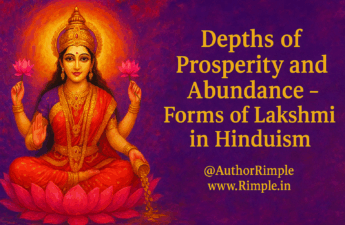
Depths of Prosperity and Abundance – Forms of Lakshmi in Hinduism
As the gentle glow of diyas pierces the velvet night of Diwali, homes across the world come alive with the sacred rhythm of lamps, sweets, and fervent prayers. This festival of lights, deeply rooted in our timeless Hindu traditions, marks the triumphant return of Bhagwan Ram to Ayodhya after vanquishing the demon king Ravana—a homecoming bathed in joy, symbolizing the…